

AI
Jul 1, 20262 min read
Etched Hits $5B Valuation and $1B Sales in AI Chip Market
Etched emerges as a formidable rival to Nvidia, achieving a $5 billion valuation and $1 billion in sales, reshaping the AI chip landscape.
Read article

Blog
Practical articles on architecture, delivery, and building resilient digital products for modern businesses.
Etched emerges as a formidable rival to Nvidia, achieving a $5 billion valuation and $1 billion in sales, reshaping the AI chip landscape.
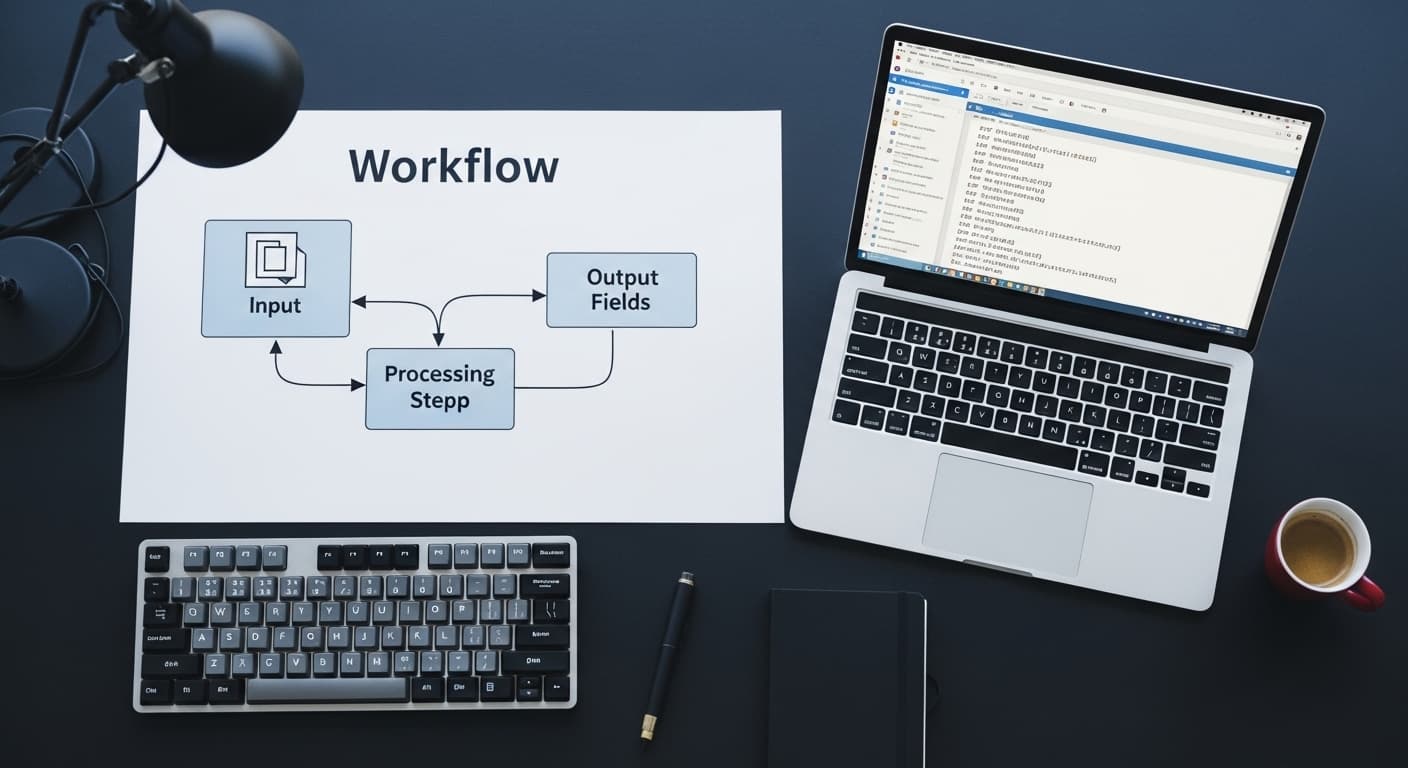
Step-by-step framework for identifying which business processes are LLM-automatable, designing the pipeline architecture, selecting orchestration tools (LangChain, n8n, custom), and building validation layers that make outputs production-safe.

Covers the four realistic paths for non-technical founders to build an MVP (no-code, low-code, freelancer, agency), how to evaluate each by scope and budget, how to avoid the most common mistakes, and what to look for when hiring technical help without being able to evaluate the code yourself.
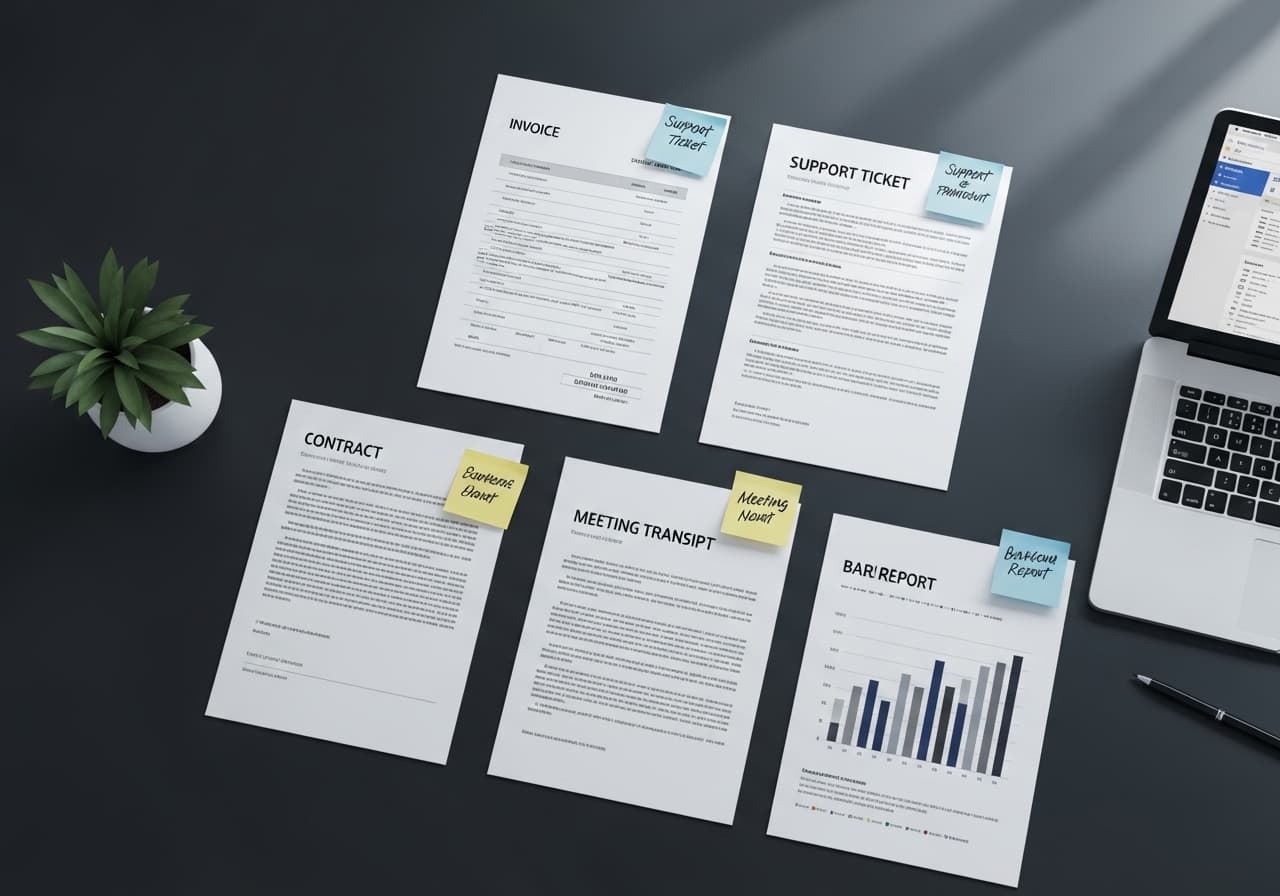
Five AI automation use cases with specific time savings data, implementation stacks, and honest assessments of accuracy and maintenance requirements — covering document processing, support triage, meeting-to-action pipelines, contract review prep, and report generation.
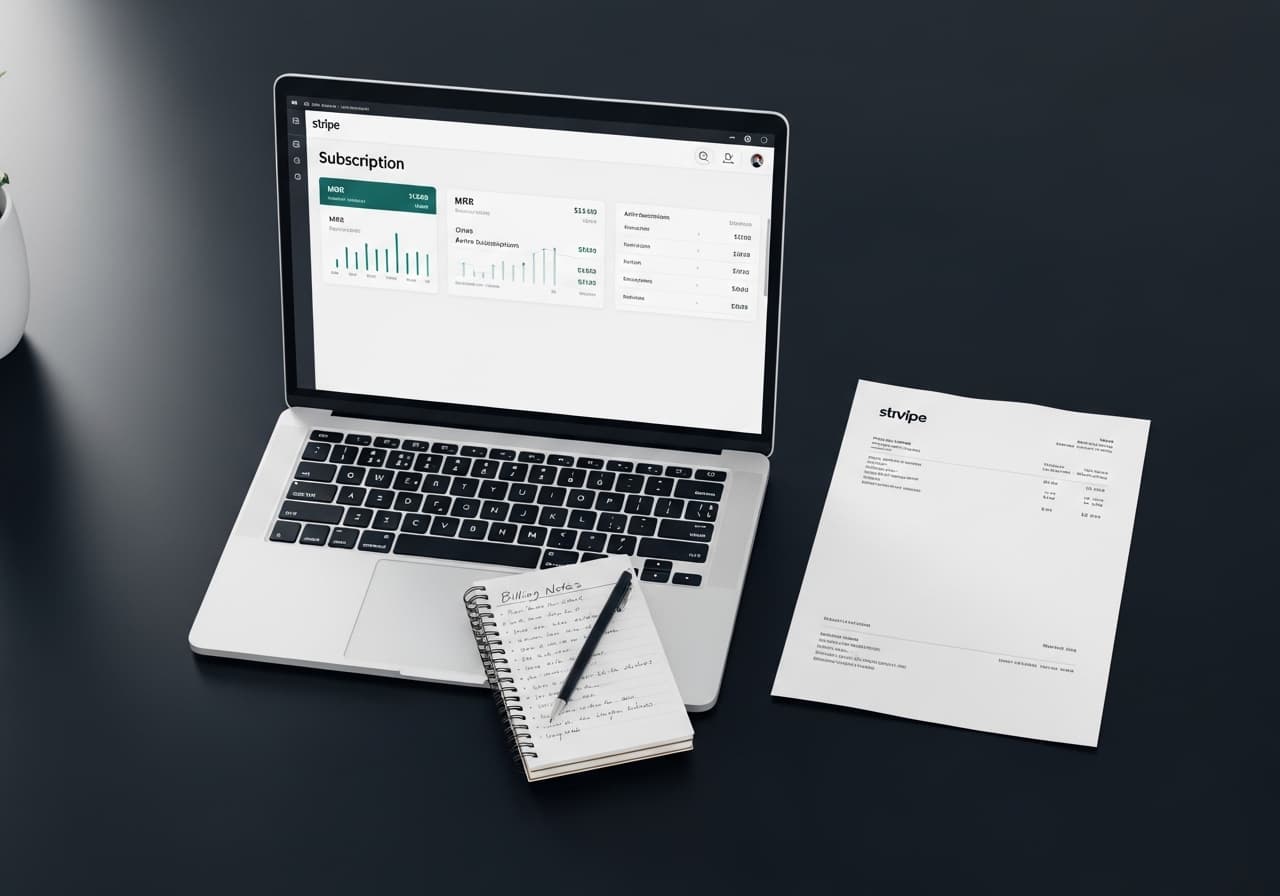
Covers the core Stripe Billing implementation patterns for SaaS: Products and Prices setup, subscription lifecycle management, trial handling, proration logic, webhook event processing, and dunning — with specific code patterns and the architectural decisions that prevent billing bugs at scale.
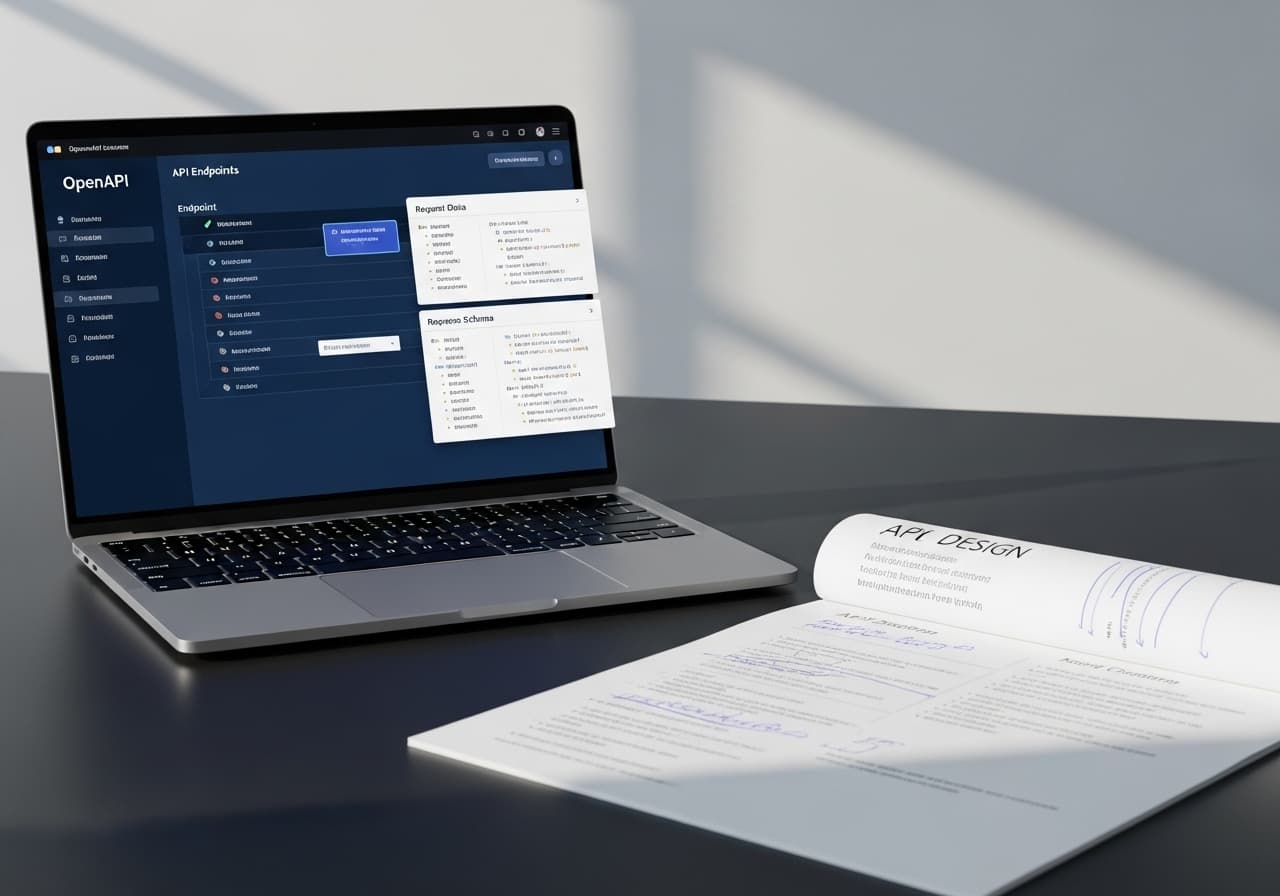
Covers enterprise-grade API design: RESTful resource modeling, versioning strategies, authentication patterns (API keys, OAuth 2.0, mTLS), rate limiting, error response standards, pagination, and documentation approaches — with specific guidance on the decisions that prevent expensive API redesigns at scale.
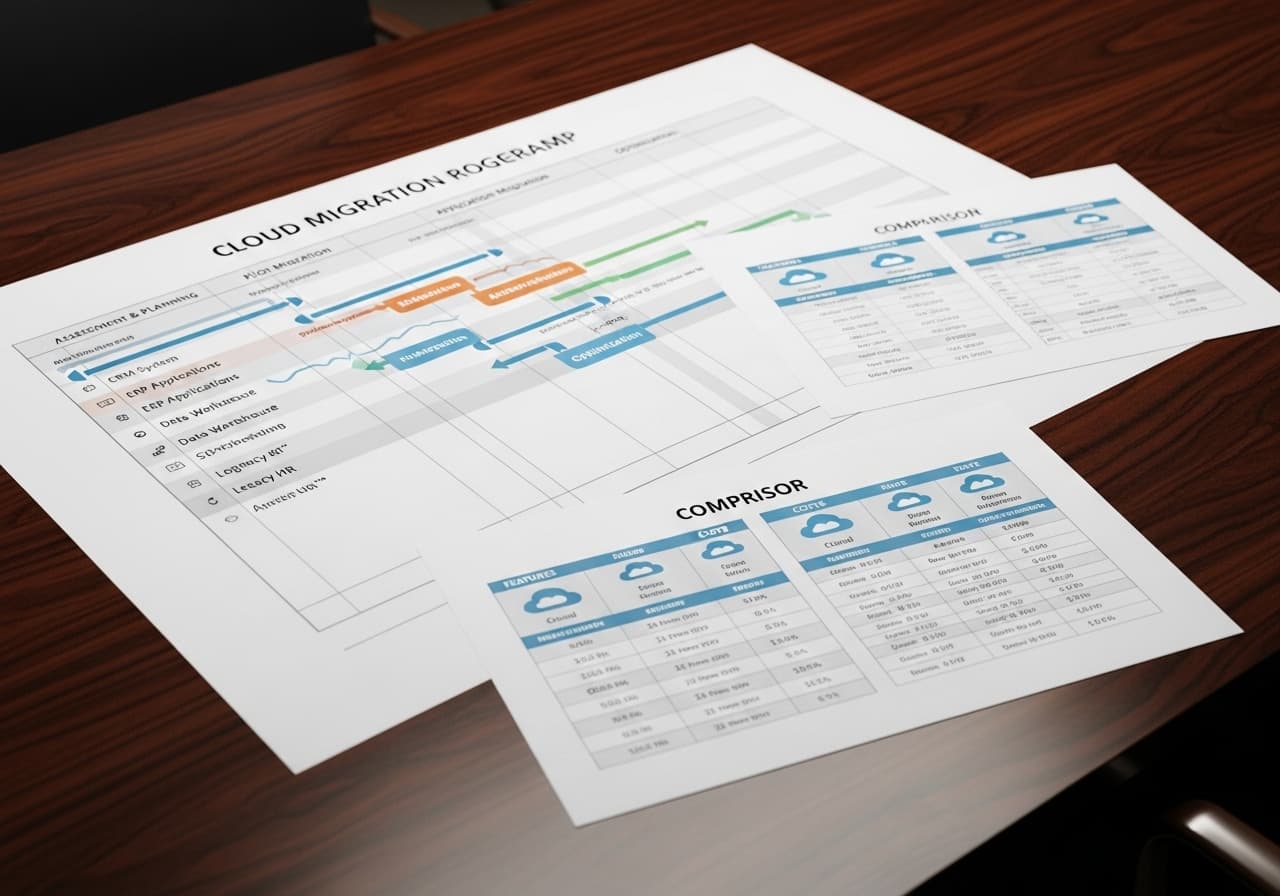
Covers the structured approach to enterprise cloud migration: the six Rs framework, AWS vs Azure vs GCP comparison by workload type, migration risk management, phasing strategy, and the assessment process that should precede any migration commitment.
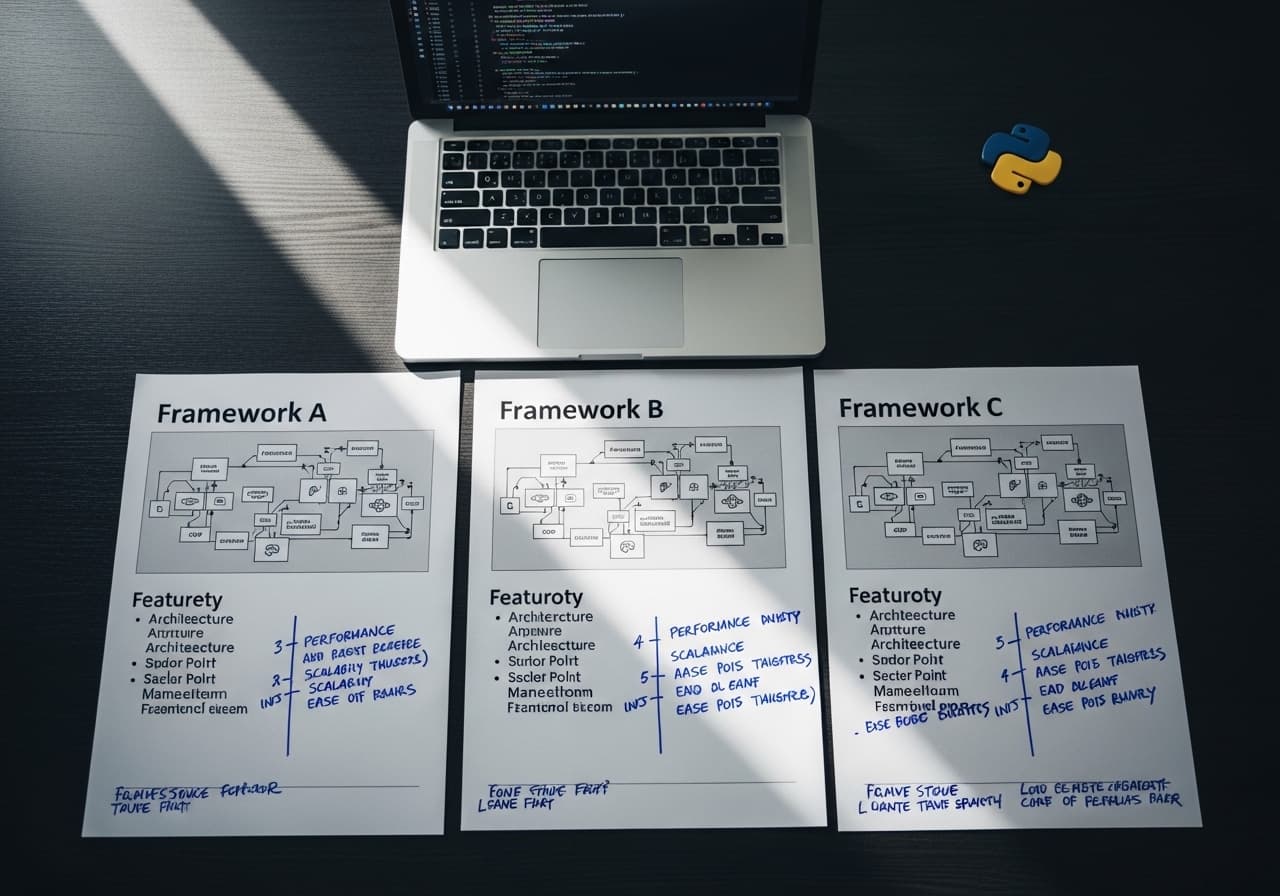
Compares LangChain, CrewAI, and AutoGen across architecture model, use case fit, developer experience, production-readiness, and cost — with specific guidance on which framework to choose for different agent task types and a frank assessment of where each breaks down.
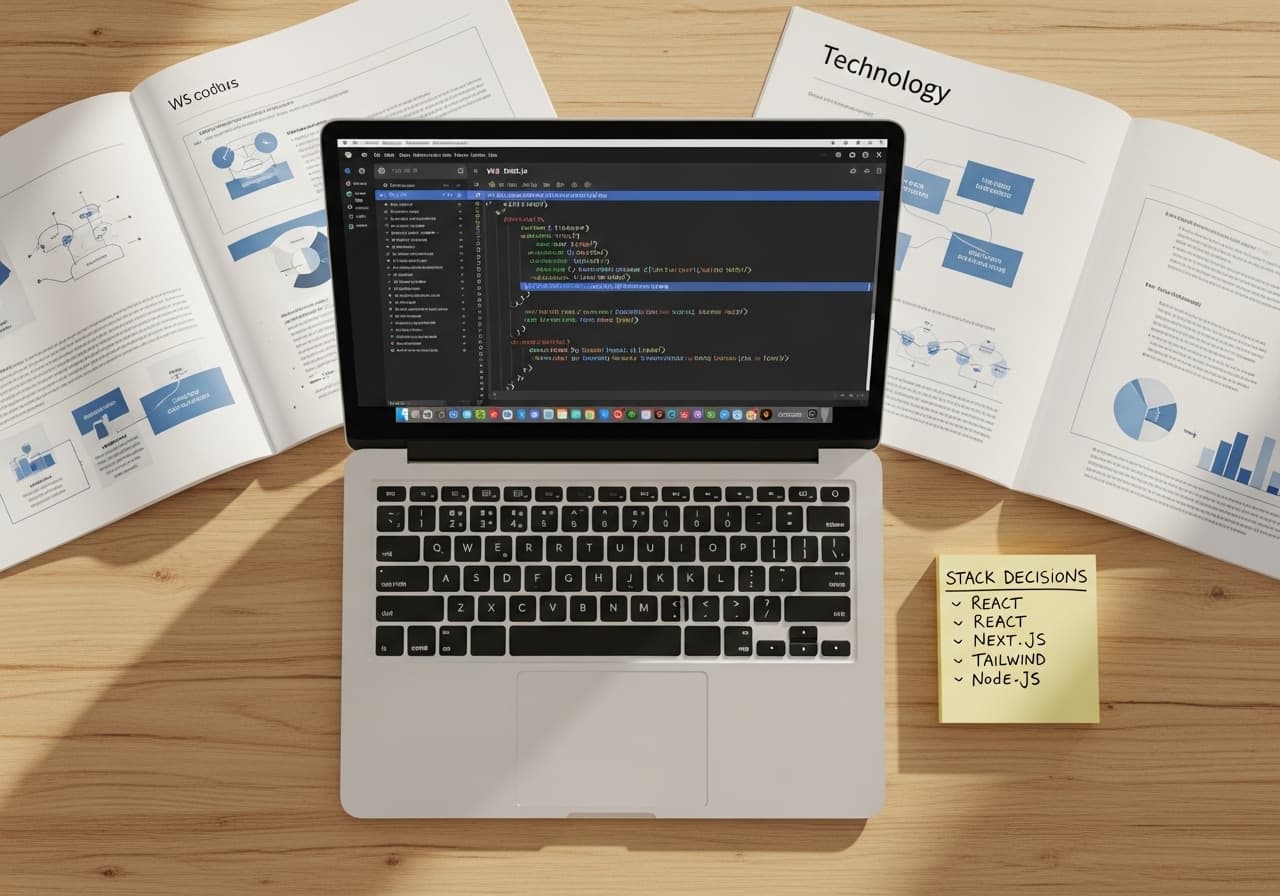
Covers the full startup tech stack decision in 2026: why the JavaScript/TypeScript full-stack with Next.js, Supabase, Clerk, Stripe, and Vercel is the dominant fast-moving stack, where Python makes sense, how to add an AI layer, and what stack decisions are hardest to reverse.

Detailed cost breakdown for building a SaaS product in 2026: MVP vs full product costs, team model comparison (agency, freelancer, in-house), ongoing infrastructure costs, cost drivers and reducers, and a framework for budgeting a SaaS build from first principles.
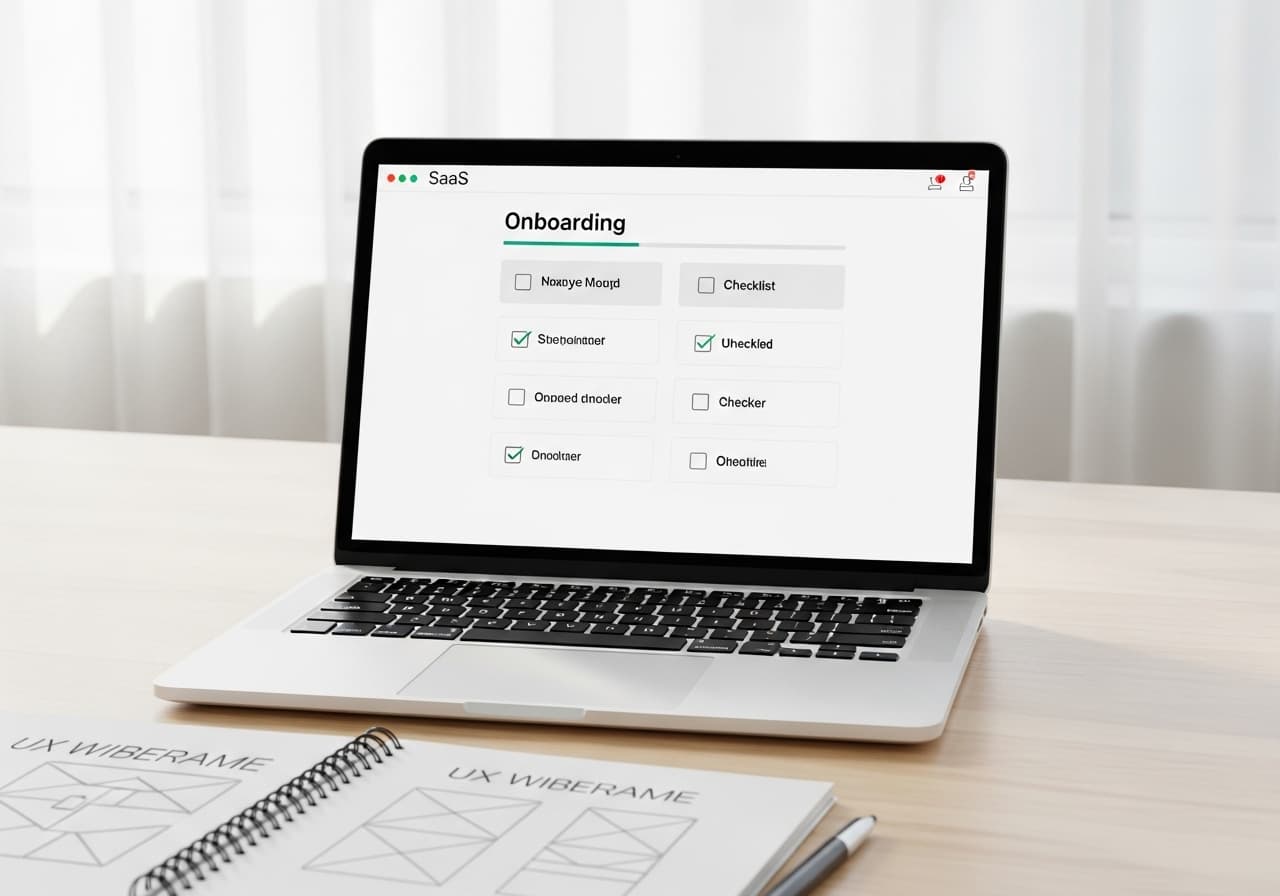
Covers the core SaaS onboarding UX patterns: the activation moment framework, progressive disclosure, empty state design, onboarding checklists vs interactive tours, email sequence timing, and the specific design decisions that separate high-converting onboarding from onboarding that loses users before they see value.

Covers the fundamental decision framework for MVP vs full product scope: what an MVP actually is (and what it isn't), the signals that indicate when to ship, how to define done for an MVP, the overconstruction trap, and the cases where a more complete product is strategically necessary before launch.